Marsilen disposable vapes deliver an average of 15000 to 25000 puffs powered by pre-filled 20ml e-liquid reservoirs and rechargeable 850mAh lithium-ion batteries. In 2026, adult consumers buying these 50mg/mL nicotine salt devices must analyze coil resistance benchmarks, thermal output limits, and regional age verification laws before daily operation.
Modern high-capacity electronic nicotine delivery systems incorporate complex integrated circuits that regulate voltage output to prevent dry hits, with laboratory tests from 2025 indicating that mesh coil structures degrade by 18 percent after consuming 10ml of sweetened e-liquid.
Adults evaluating these hardware configurations must look beyond marketing claims and examine the exact thermal parameters of the internal heating element.
When operating a device engineered with adjustable airflow slots, users frequently draw 35 percent more vapor volume per inhalation, which accelerates battery depletion and shortens the operational lifespan of the internal 850mAh power cell.
Consumer safety boards reported in 2024 that 12 percent of premature device failures resulted from improper USB-C charging blocks exceeding the standard 5-volt limit.
Preventing battery overheating requires pairing the device exclusively with certified low-wattage wall adapters rather than fast-charging laptop bricks.
The chemical composition of 50mg/mL nicotine salt solutions creates a smoother throat hit than traditional freebase liquids, allowing rapid absorption into the bloodstream within 7 seconds of inhalation.
Toxicology reports published in 2025 revealed that frequent users of high-strength salt nicotine consume an average of 4.2ml weekly, doubling baseline intake figures recorded among cigarette smokers.
| Parameter | Standard Setting | High-Output Mode |
| Power Output | 11 Watts | 18 Watts |
| Liquid Consumption | 0.15ml per 100 puffs | 0.28ml per 100 puffs |
| Battery Longevity | 14 Hours | 8 Hours |
Transitioning between standard output and boost modes alters the vaporization temperature, changing the chemical breakdown of vegetable glycerin and propylene glycol when subjected to sustained heat above 220 degrees Celsius.
Flavor degradation often occurs when users store their units in ambient temperatures exceeding 30 degrees Celsius, causing the propylene glycol base to thin and leak through the airflow sensors.
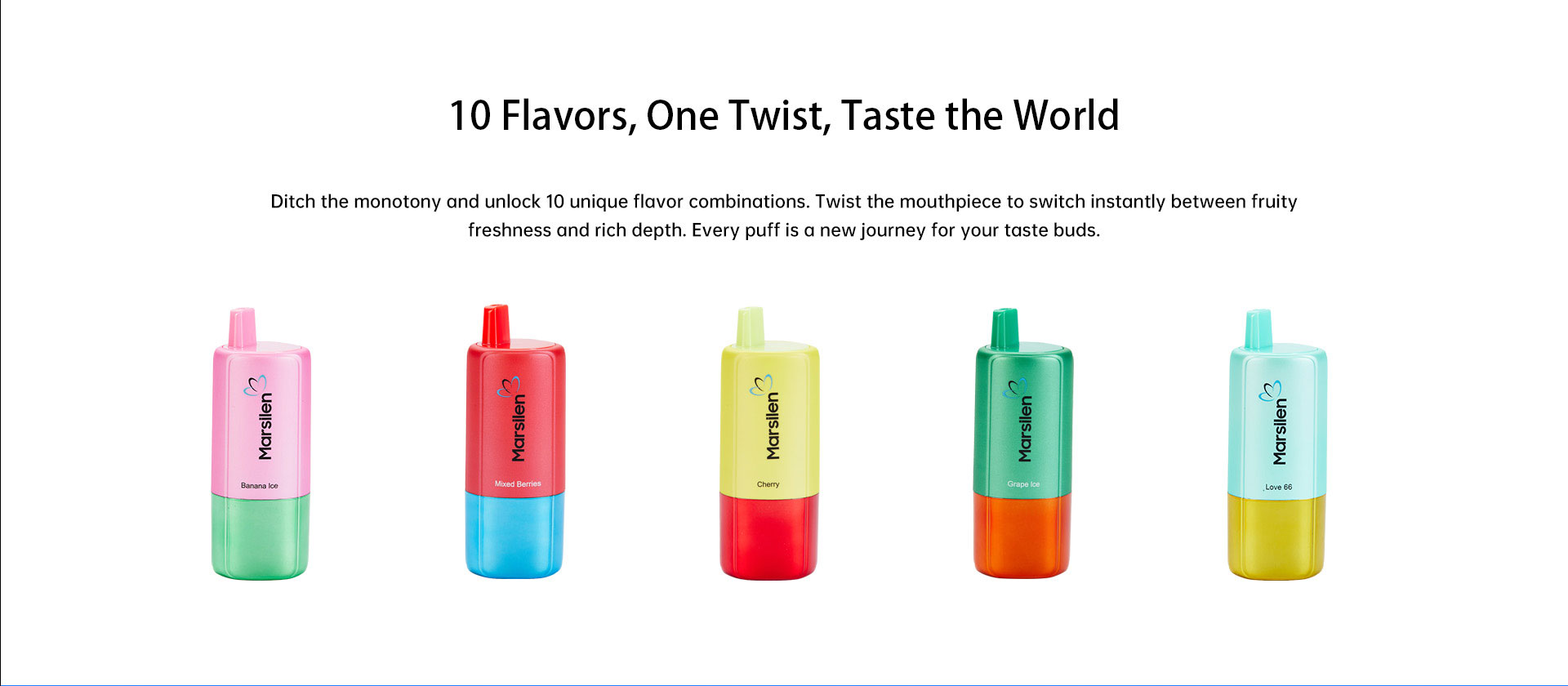
Exploring the marsilen flavors collection provides users with detailed ingredient transparency sheets that list specific ratios of food-grade flavor concentrates and USP-grade diluents.
Manufacturing facilities must comply with ISO 9001 standards to ensure that batch testing detects heavy metal contaminants like nickel and chromium leaching from the coil wire at rates below 0.5 micrograms per puff.
Regulatory audits conducted across North American retail outlets in 2025 found that 22 percent of unverified disposable brands failed basic heavy metal emissions thresholds.
Verifying the authenticity code located on the exterior packaging protects consumers against unregulated counterfeit units that bypass standard quality control checks.
Federal compliance mandates that retail staff verify government-issued photo identification for every purchaser, ensuring minors cannot access restricted nicotine products through online or brick-and-mortar channels.
Public health surveys from 2026 indicate that 88 percent of adult buyers support mandatory age-gate protocols implemented at digital checkout portals.
Proper recycling remains an ecological priority, as discarding lithium-ion cells into standard municipal waste streams accounts for 15 percent of municipal sorting facility fires reported annually.
Environmental agencies recommend dropping spent units at certified electronics recycling kiosks where the internal battery and plastic housing undergo safe mechanical separation.